When people see Gap and Gap Factory, they often think they are the same because their logos, websites, and styles look similar. However, Gap, started in 1969, sells high-quality, up-to-date clothing in over 3,500 stores worldwide, with good fits and sturdy fabrics.
Gap Factory, started in 2011, is quite different. It offers cheaper, outlet-only versions of Gap styles, using simpler designs and materials. With more than 500 stores in North America and discounts of 50–70% all year, it appeals to families, bargain shoppers, and people on a budget.
Head-to-Head Comparison: Gap vs Gap Factory
Gap is the main brand that sells premium, higher-quality clothing, while Gap Factory is its outlet division offering more affordable versions made with simpler fabrics.
| Category | Gap | Gap Factory |
| Brand Type | Premium main brand | Outlet division of Gap (main brand) |
| Product Quality | Higher-quality fabrics and construction | Lower-cost materials and simpler builds |
| Design | Current-season, refined, tailored | Outlet-exclusive, basic, looser fits |
| Pricing | Moderate–high with occasional sales | Always 50–70% off, lower starting prices |
| Target Shoppers | Quality-focused adults | Budget shoppers and families |
| Where Sold | Global malls and online | Outlet malls and U.S./Canada online |
| Labels/Tags | Standard Gap labels | “Made for Gap Factory” tags |
| Durability | Longer-lasting | Wears faster than the Gap mainline |
| Returns | Must return to Gap | Must return to Gap Factory |
|| Also Read: Gap vs Old Navy: Which One Should You Buy in 2025
How Gap Was Born
Gap started in 1969 to make high-quality, modern, simple, and stylish clothes. Over time, it became a global brand with over 3,500 stores in North America, Europe, and Asia by 2025.
Gap mainly targets people who want durable clothes made of good fabrics, with better fits. Most customers are aged 25 to 35 and like fashion that is clean, timeless, and a bit trendy.
Why Gap Factory Was Created
In 2011, Gap Inc. started Gap Factory. This wasn’t just a regular Gap store. It was made for people who like deals, discounts, and saving money. Most Gap Factory stores are located in outlet malls, discount centers, and off-price shopping areas.
By 2025, there were over 500 Gap Factory stores, mainly in North America. It became popular with families, bargain shoppers, and anyone wanting Gap-style clothes at lower prices. Now, let’s look at what Gap Factory is and how it is different from the main Gap brand.
What Is Gap Factory vs Gap?
Gap Factory is a store similar to Gap, but it doesn’t just sell leftover Gap clothes. Instead, it makes new clothing using its own designers. These clothes look like Gap items but are made with simpler materials, lighter stitching, and cheaper designs.
Think of it like this: Gap creates high-quality, original clothes, and Gap Factory makes more affordable versions inspired by them.
How the Clothes Are Different
When you compare Gap and Gap Factory clothes side by side, many people think they’re the same. But if you look closely, you can see the differences. Gap clothes are made with heavier cotton, tighter weaves, nicer trims, stronger seams, and special features like leather patches or button flies. For example, a study found a Gap men’s T-shirt was 15% heavier than a Gap Factory version.
Gap Factory clothes use lighter fabrics, looser weaves, simpler pockets, cheaper linings, and basic stitching. Because of this, Factory clothes often feel softer or thinner and might fade or stretch faster. These differences help keep the prices lower while still offering a style that looks like Gap.
How the Stores Feel Different
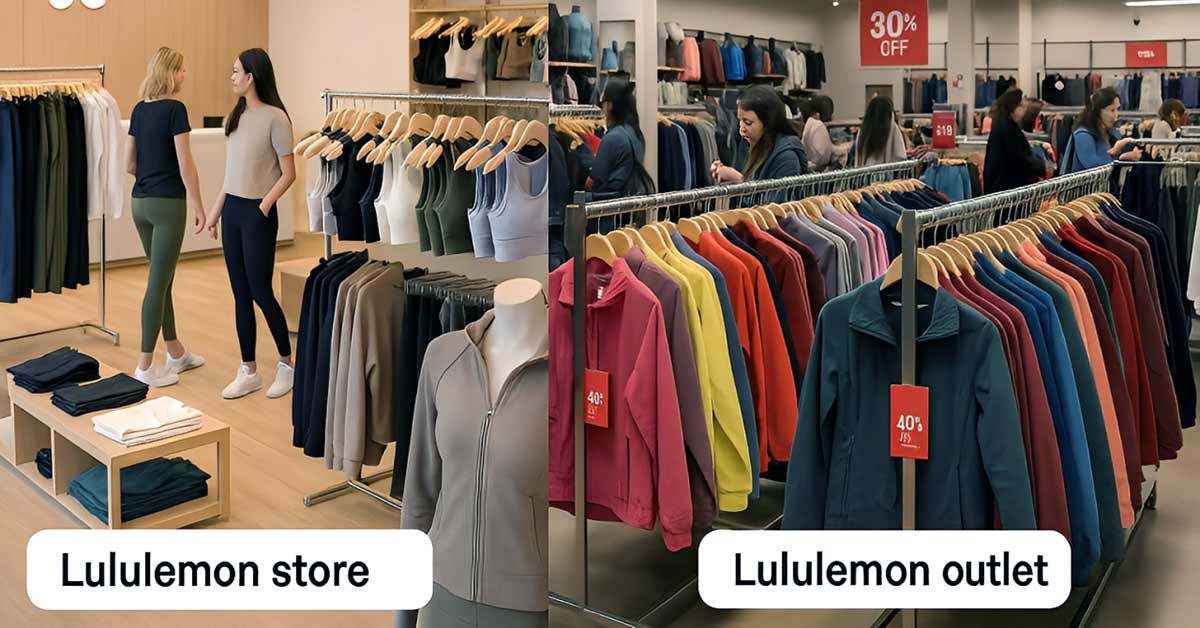
Walking into Gap is like entering a nicely organized closet, with neat displays and outfits arranged to tell a story.
In contrast, Gap Factory feels more like a bargain zone, with clothes in big stacks and signs advertising 50–70% off, focusing on savings rather than fashion storytelling.
This difference shows that Gap aims to attract customers who care about quality, while Gap Factory targets those looking for the best deals.
How Prices Differ Between Gap and Gap Factory
The story of Gap and Gap Factory is simple: Gap products are more expensive, while Gap Factory offers consistently lower prices.
For example:
- Gap jeans retail for about $69.95 or around $49.99 when on sale.
- Gap Factory jeans have the same retail price but are often discounted to $39.99 or even $29.99.
Because Gap Factory always has discounts, shoppers looking for deals tend to start there.
How Tags, Codes, and Fits Differ
Gap Factory clothing has markings such as “Made for Gap Factory” or “Exclusively for Factory Stores.” The product codes are different. Gap Factory jeans often feature a horizontal “Gap Denim” label, have blank inner pockets, zip flies, and no leather patch on the back.
Sizes can also vary, and many shoppers find that Gap Factory clothes fit a bit smaller or are inconsistent, so it’s a good idea to try them on.
How Online Shopping Differs
Both brands have good websites. Gap’s website features fashion stories, while Gap Factory offers discounts. Gap ships internationally, but Gap Factory mainly ships within the US and Canada.
Both have the Gap Rewards Program and similar return policies, but items often need to be returned to the same store where they were bought.
Many people shop wisely by buying durable, fashionable, and trendy clothes from Gap. For basics, kids’ clothes, and everyday items, they shop at Gap Factory. This way, they save money while still getting good quality.
How Each Brand Grew in 2025
In 2025, both brands did well but for different reasons.
Gap’s highlights include:
- 10% more millennial shoppers
- 20% more engagement after a worldwide inclusivity campaign
- A new sustainable denim line made with 40% eco-friendly materials
- Opened 100 new stores worldwide
- 35% of sales came from online shopping
Gap Factory’s highlights include:
- 15% sales growth from outlet-exclusive designs
- A new vegan-leather collection
- 50 new outlet stores in the U.S.
- Shipping that is carbon-neutral
- 25% increase in online sales
Both brands focused on sustainability, growing their digital presence, and offering modern shopping experiences.
What is the Difference Between Factory and Outlet
Many shoppers get confused between factory stores and outlet stores, especially when they compare Gap and Gap Factory. Although their names sound similar, they sell different things and serve different aims.
A factory store like Gap Factory makes its own cheaper clothes with simple designs and less expensive materials. These clothes are new and made specifically for outlet prices, not leftovers from Gap. That’s why Gap Factory clothes look similar to Gap’s but might be made of lighter fabric, with different stitches and lasting power.
Usually, outlet stores sell items from past seasons, excess stock, or discounted merchandise from the main brand. However, Gap doesn’t have these typical outlets. Instead, it separates its business into two parts: Gap (which sells full-price, high-quality clothes) and Gap Factory (which sells budget-friendly, outlet-only clothes). This is why they are not the same.
The Final Answer: Gap vs Gap Factory
The story of Gap and Gap Factory is about two brands with the same name but different goals.
Gap offers high-quality, stylish clothing. Gap Factory provides cheaper, everyday clothes inspired by Gap designs.
Both want to help people dress nicely, but they do it in their own way.
FAQs
Q1. Is Gap Factory legit?
Yes, Gap Factory is a legitimate company and part of Gap Inc., founded in 2011. It offers less expensive, outlet-exclusive clothes made with simpler materials and designs. There are more than 500 official Gap Factory stores across North America.
Q2. Are Gap and Gap Factory the same?
Gap is the main brand that offers higher-quality, up-to-date clothing, while Gap Factory sells its own cheaper clothes made with lighter fabrics, simpler sewing, and discounts of 50–70% all year.
Q3. Is Gap accepted in Japan?
Gap has full-price stores and an online shop in Japan as part of its global network with over 3,500 locations, so it is available there. However, Gap Factory mainly operates in North America and is not widely accessible internationally or able to ship to Japan.
Q4. Is Gap Factory cheaper than Gap?
Gap Factory is much cheaper than Gap because it makes new products using cheaper materials, simpler designs, and lighter builds. It also keeps its prices low all the time, with most items costing 50–70% less than regular Gap stores.
Q5. Can I return a Gap Factory product to the regular Gap Store?
You need to return Gap Factory items to Gap Factory and Gap items to Gap. Returns must be made at the store where you purchased the item, but some shoppers say that online purchases can sometimes be returned at either store, depending on your location.