Choosing between a blazer and a suit jacket might seem easy, but it can get confusing when you look in the mirror and wonder what’s wrong with your outfit. After working with many jackets, fitting clients, and seeing what looks good in real life, I’ve noticed that the difference between blazers and suit jackets has become very blurry. Today’s fashion mixes up terms, stores label things differently, and people dress more casually than ever.
Even with these overlaps, the differences still matter. Wearing the wrong jacket or dressing it the wrong way can ruin your look, make you seem mismatched, or appear overdressed. This guide explains everything in simple, everyday words, no confusing jargon. Just clear advice based on real experience.
Why Blazer vs Suit Even Matters Today
Even though fashion has become more casual, jackets are still classified into three main types: suit jackets, blazers, and sport coats. Suit jackets are the most formal, sport coats are the most casual, and blazers fall somewhere in between.
This can be confusing because people have different ideas about what makes a blazer. Some think any separate jacket is a blazer, others believe blazers must have metal buttons, and some say the color is what makes it a blazer. Many stores also use these terms incorrectly, which makes it harder to know what you’re buying.
Instead of relying on labels, it’s better to look at how each jacket looks, feels, fits, and how you can wear it with different outfits.
Blazers – The Middle Ground Jacket
Blazers originally were bright red jackets worn by the Lady Margaret Boat Club in Cambridge. Later, the British navy made navy blue blazers with brass buttons popular.
American country clubs also started wearing them. For many years, blazers symbolized class, tradition, and belonging. Today, they are more casual, but they still have some of their old charm.
What Makes a Blazer a Blazer
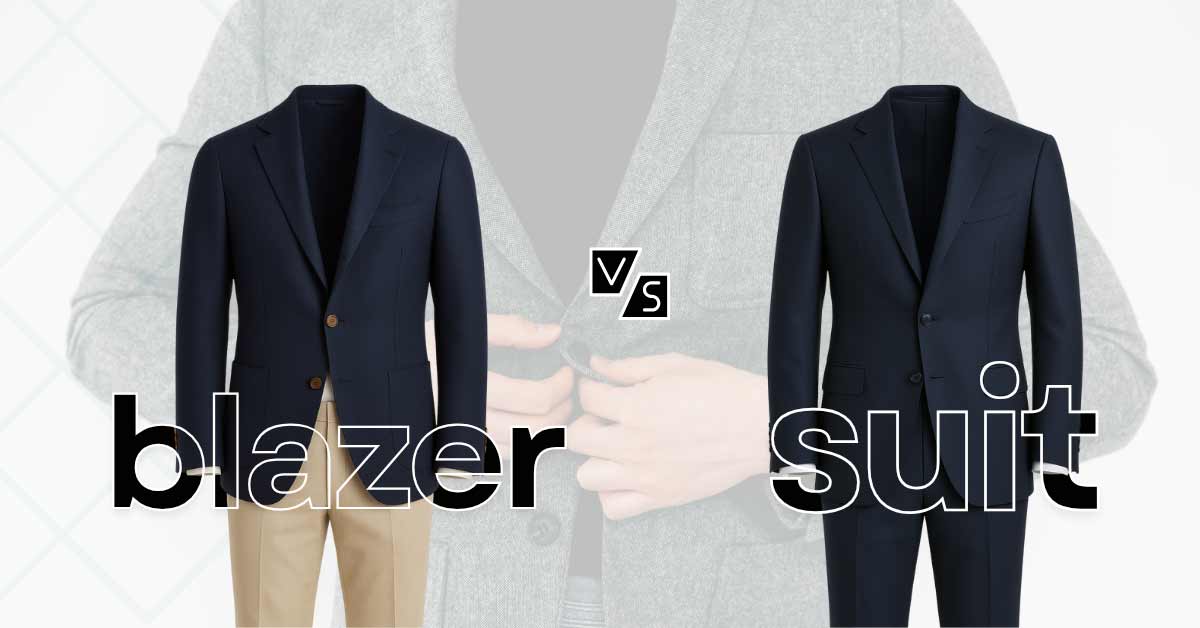
A blazer is a tailored jacket that is less stiff than a suit jacket. It usually has a lining, is shaped to fit, and feels smooth with a slight texture. It keeps its shape while allowing comfortable movement. Think of it as neat, stylish, and polished, but not as formal as a suit.
Blazers are made from a variety of fabrics, including worsted wool, tropical wool, fresco, hopsack, cashmere, cotton, and wool-cotton or wool-linen blends. Hopsack and fresco fabrics are good choices because they breathe well and hang nicely. Some fabrics, like birdseye and nailhead, resemble suit fabrics and are sometimes debated for blazers.
Blazers often feature notched lapels, but sometimes have peak lapels for a more fashionable look. They can have contrasting linings inside, and generally fit a bit looser than suits. They have a moderate amount of structure, meaning they are not too stiff or too soft. Button styles vary widely, including brass, silver, gold, horn, wood, pewter, and mother-of-pearl.
Although old rules suggested blazers should have metal buttons, nowadays it’s common to see blazers with buttons made of horn or other materials. For example, a navy blazer with brown horn buttons is quite popular.
When a Blazer Works Best
A blazer is a good choice when a suit is too formal but just a shirt feels too plain. You can wear it for casual work, smart casual outings, dates, dinners, or semi-formal events.
It looks good with:
- Dress trousers
- Chinos
- Khakis
- Neat wool pants
- Sometimes jeans (if the blazer is casual enough)
It also works well with ties, pocket squares, and other accessories, or even without anything.
Blazer Colors and Patterns
Navy blazers are the most popular, so if you buy just one, make sure it’s navy. Other good colors include grey, black, camel, burgundy, green, sky blue, and bottle green. Blazers also come in fun patterns like plaid, paisley, printed designs, embroidery, stripes, or ombre effects. Unlike suit jackets, blazers let you show off your personality more.
Suit Jackets – The Most Formal Odd Jacket
A suit jacket is just the top part of a suit. It’s made to be worn with matching pants. The fabric, color, and style are all designed to go together. That’s why wearing a suit jacket with jeans or chinos usually looks off.
How a Suit Jacket is Built
Suit jackets have a sharp, structured look with padded shoulders and are made from smooth, high-quality fabrics. They fit closely and neatly, giving a crisp and unified appearance. Unlike casual blazers, they usually don’t have decorative features like contrasting linings or metal buttons. Common fabrics for suits include wool, silk blends, linen, cotton, and velvet. The goal is always to look polished and neat.
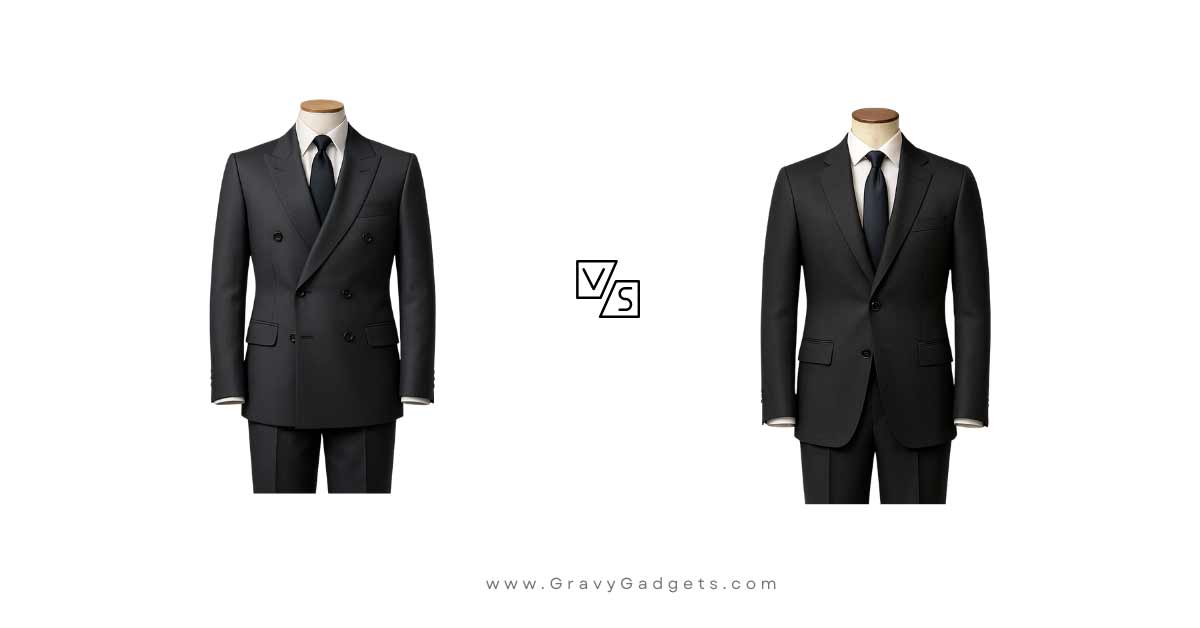
If you’re curious about how single and double-breasted jackets change the look and structure, you can read a simple comparison here.
|| Also Read: Single vs Double Breasted – A Clear and Practical Guide
Suit Jacket Colors and Patterns
Suit jackets usually come in quiet, professional colors like navy, charcoal, black, grey, and khaki. Patterns tend to be subtle, such as pinstripes, chalk stripes, baby corn, windowpane, or light herringbone. Brighter colors are available but they need a confident style and careful matching.
Suit Jackets Are Not Stand-Alone Jackets
Many people make mistakes here. They wear a suit jacket with casual pants like chinos and wonder why it looks strange. The problem is that the jacket might be too shiny and formal, while the pants are too casual or have a different texture. The colors might also clash.
Also, if the jacket is too formal or the length isn’t right, the outfit won’t look good. Jackets from suits can fade differently when worn alone. Even if suits are sold as separates, they are meant to be worn as a matching set. Replacing one piece usually doesn’t look right unless it matches perfectly.
Blazer vs Suit Jacket: The Real Differences
This is the simplest and clearest explanation based on real-world use, tailoring experience, and how clothes fit on the body.
| Category | Suit Jacket | Blazer |
| Formality | Most Formal | `Mid-Formal |
| Structure | Most Structured | Medium Structure |
| Fabric | Smooth, fine, polished | Smooth with light texture |
| Buttons | Buttons match the fabric | Often contrasting |
| Patterns | Very subtle | Optional and flexible |
| Pairing Rules | Only with matching trousers | With chinos, dress pants, or tailored jeans |
How to Choose Between a Blazer Vs Suit Jacket
Choose a blazer when you’re attending casual or semi-formal events, or when you want a versatile piece that can be dressed up or down. It’s a good choice if you want a jacket that matches many types of pants and adds some personality with different colors, buttons, or textures.
On the other hand, pick a suit jacket only if you’re planning to wear the full suit, need a very formal look, or want to avoid mismatched outfits. Suit jackets are ideal for formal settings like interviews, business offices, or weddings where a polished appearance is important.
A blazer is more useful as a standalone piece in your wardrobe because it offers more flexibility. A suit jacket, while professional and structured, is best worn as part of a complete suit.
If you want to understand how a tuxedo compares to a regular suit for formal occasions, here’s a clear guide you can check.
Blazer vs Suit Fit Differences
Suit jackets fit closer to the body, have sharper shoulders, and are made from smoother fabrics that show wrinkles more easily. They require perfect tailoring and are not easy to dress down.
Blazers, on the other hand, offer a bit more room, are easier to move in, and work well with different body shapes. They hide wrinkles better and pair naturally with casual clothes. That’s why a blazer feels comfortable for a casual dinner, while a suit jacket is more suited for a formal meeting.
Final Thought
A suit jacket makes you look confident, professional, and polished, but only if you wear the entire suit. A blazer is more versatile. You can dress it up with a tie, wear it casually with chinos, or use it in many different situations without appearing too formal. That’s why blazers are popular for both men and women today.
Once you understand the differences, choosing the right jacket is simple. You’ll know when to wear a blazer or a full suit and how to make each look good.