
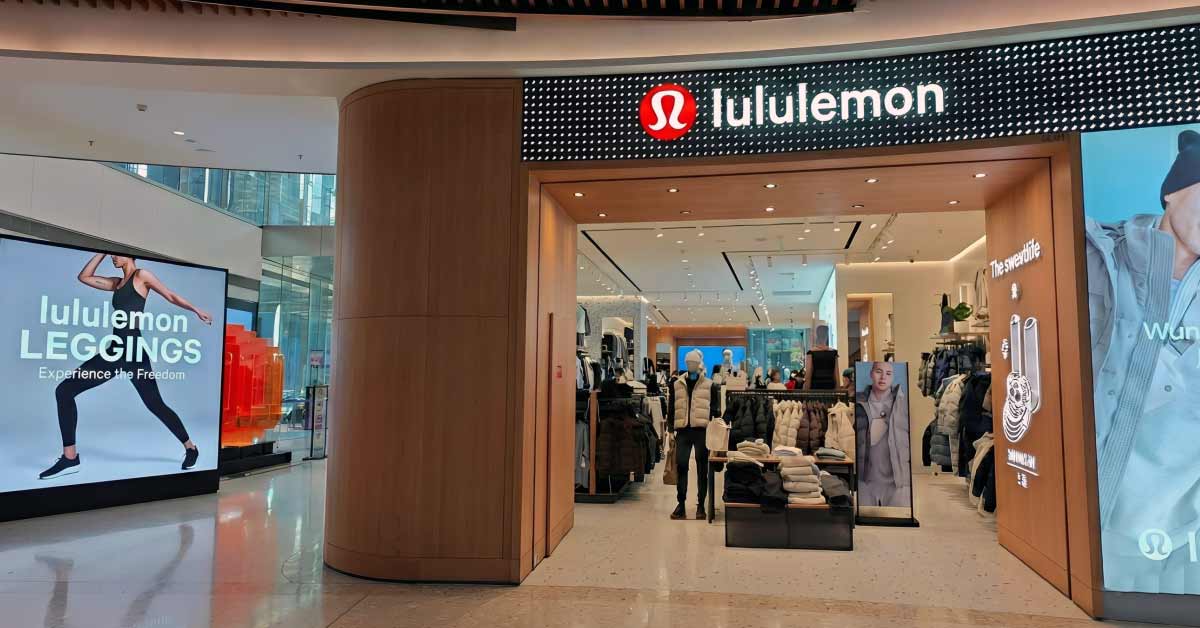
From a small yoga studio in Vancouver to a $22 billion global empire, Lululemon has transformed the way we move, sweat, and dress. All of this began with an observation in the 1990s, when yoga was gaining popularity, but yoga clothing wasn’t keeping pace. Women used to practice in thick cotton pants that absorb sweat and restrict movement. Here, Chip Wilson saw a gap that no one else had noticed.
He started with a small studio where he used to sketch designs during the day and use the same space for yoga sessions at night, where people can practice yoga. This allows real users to test early prototypes and provides honest feedback from actual users.
After collecting feedback, he launched the first Lululemon yoga pants made from Luon nylon that are flexible, breathable, and perfect for yoga. These yoga pants gained the popularity they deserved in a very short time and have become everyday wear.
When Lululemon opened its first retail store in 2000, it wasn’t just a typical shop; it was a gathering place for yogis where they could practice yoga, participate in running meetups, and attend mindfulness events.
Community Built the Brand
From the start, Lululemon relies more on community support than on advertising or traditional marketing. They used to partner with local yoga instructors and fitness leaders, who are satisfied users of Lululemon. This gives the brand an authentic and personal vibe to consumers.
With community, the fabric is another big advantage. The company used to test different fabrics and created specific materials for particular needs. For example, they created Everlux for workouts, Luxtreme for running, and SilverScent to reduce odor.
The brand soon expanded into running gear, training apparel, outerwear, and accessories. Their products, like ABC pants, have helped them broaden their reach while staying true to their original mission of comfort and mobility.
As demand grew, Lululemon opened its branches in the US, Japan, Spain, Italy, and even China. Their clean, comfortable, and fashionable wear became popular among Asian, American, and European cities.
In 2007, Lululemon went public, raising more than $300 million in its IPO. They used that money to open new stores, support product development, and start their online business.
But Not Every Step Forward Was Smooth
In a 2013 Bloomberg interview, Chip Wilson said that some women’s bodies just don’t actually work when he was asked about their pants fit issues on certain body types. His comment was widely viewed as fat-shaming, which sparked significant public backlash.
That same year, many complaints arose about Lululemon’s best-selling black yoga pants made from Luon fabric. Customers reported that the pants became too sheer (transparent), especially when bending or performing yoga poses.
The company acknowledged that while the material (nylon-Lycra knit) had not changed, some batches used slightly less fabric, which caused the coverage issue. Lululemon recalled the affected pants, removed them from stores, and asked customers who had already purchased them to return or exchange the items.
Estimates showed that 17% of their pants inventory was affected by the sheer problem and caused the loss of around US$57–67 million to the company.
Digital Growth and Future Strategy
In 2020, Lululemon acquired Mirror, a digital workout platform. This acquisition showed that brands aim to blend physical products with digital experiences.
With stable operations, the company reached $10 billion in revenue in 2024, with a gross margin of 59.2%. Nearly half of their purchases are made online, establishing them as a major e-commerce player while also operating retail stores.
These revenues are made possible by their highly successful strategy, “Power of Three,” introduced in 2017. In this strategy, they set goals of doubling their men’s business, doubling their e-commerce revenues, and tripling their international revenues.
Over time, competitors like Nike, Alo, Vuori, and Athleta grew, but Lululemon maintained its identity as a premium activewear brand focused on comfort and quality. Because of their consistent growth, experts have rated their stock as “Hold” even in 2025, demonstrating the company’s strength.
Where Lululemon Stands Today
In just two decades, Lululemon has evolved from a small yoga wear brand to a global athletic apparel empire worth over $22 billion. Its success is due to its community-first approach and innovation in fabrics.
Today, Lululemon is not just a brand; it is a movement that connects fashion, fitness, comfort, and confidence worldwide.